Simple Ways to Prevent Costly Mistakes and Safety Problems
Many fireplace problems start during installation. Poor venting, wrong clearances, weak framing, and gas line mistakes are some of the most common issues. The good news is that most of these can be avoided with proper planning, correct materials, and careful setup. When fireplace installation is done the right way, your system will be safer, heat better, and last longer.
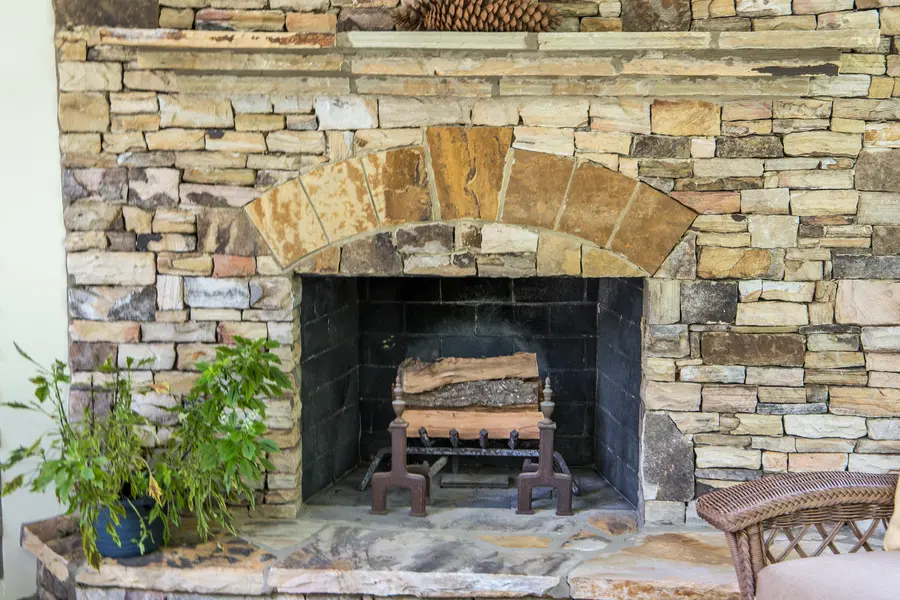
Quick Diagnosis Summary
If a new fireplace smokes, smells odd, shuts off, or does not heat well, the installation may be the cause. Strange noises, loose surrounds, or cold air drafts also point to setup errors. Many of these problems trace back to venting, clearances, or connection mistakes made during the install process.
Common Symptoms
Homeowners often notice signs something is wrong soon after installation. Watch for these red flags:
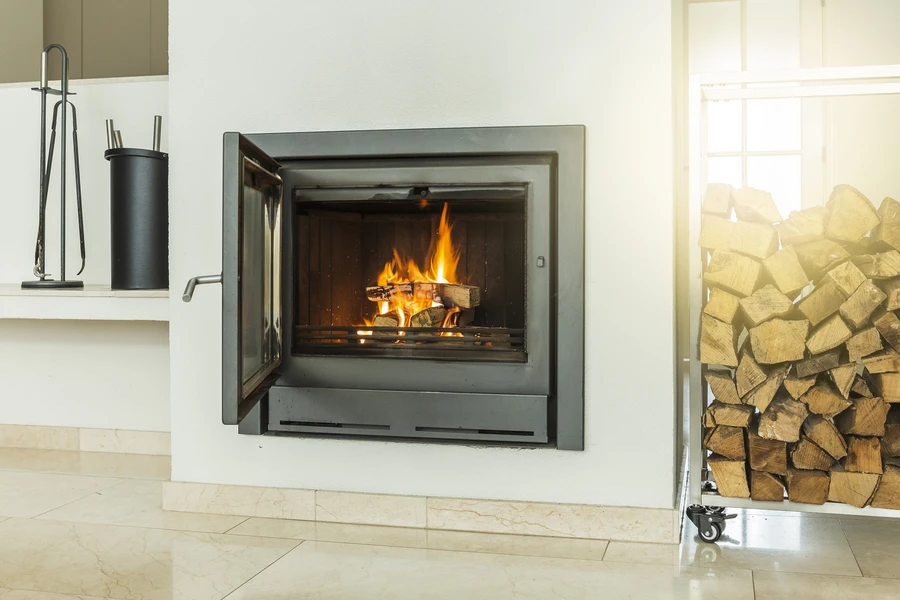
- Smoke backing into the room
- Strong gas smell
- Pilot light that will not stay lit
- Cracks in the surround or nearby wall
- Cold air coming through the unit
- Uneven or weak heat output
These symptoms should never be ignored. They may point to safety risks or long-term damage.
Likely Causes
Several installation errors can lead to these problems.
One common issue is improper venting. If the flue pipe is the wrong size or not sealed well, smoke and gases cannot move outside as they should. This leads to backdrafting and poor air quality.
Another problem is incorrect clearances. Every fireplace model requires a set distance from walls, framing, and trim. If these spaces are too small, materials can overheat and crack.
Gas line errors are also frequent. Loose fittings or wrong pressure levels may cause ignition failure or gas leaks. Even small mistakes can create serious hazards.
Finally, poor framing support can lead to shifting or cracking around the unit. Fireplaces are heavy. Without proper support, the structure may not hold up over time.
What to Check First
If you suspect an installation problem, start with basic visual checks.
- Look for gaps around the vent pipe.
- Check that the unit sits level and flush.
- Inspect the surround for cracks or heat marks.
- Listen for unusual sounds when the unit runs.
- Confirm the chimney cap is installed and clear.
Do not remove panels or disconnect gas lines on your own. Basic checks are fine, but deeper inspection should be handled by a trained technician.
Safe Fixes Vs Pro-Level Fixes
Some small issues have simple fixes. For example, sealing small air gaps with approved high-heat sealant can help stop drafts. Replacing batteries in a remote or receiver may fix startup issues.
Other problems require professional repair. Vent pipe adjustments, gas pressure testing, and structural framing corrections should always be handled by a qualified installer. These tasks involve fire risk and fuel systems. They are not safe as DIY projects.
A licensed expert will also check that your fireplace installation meets local building codes. This protects both your home and your insurance coverage.
Prevention Tips
The best way to avoid fireplace installation issues is to plan carefully from the start.
- Choose the correct fireplace type for your home size.
- Follow the manufacturer clearance guidelines exactly.
- Use only approved vent components.
- Have gas lines installed and tested by a professional.
- Schedule a final safety inspection before regular use.
It also helps to work with someone who focuses on fireplace installation rather than general construction alone. Fireplaces combine framing, ventilation, and fuel systems. Each part must work together.
Annual inspections are another smart step. Even a properly installed unit can shift over time as a house settles. A yearly check keeps everything running safely.
Final Recommendation and Help
If you are planning a fireplace installation in Murray, UT, I can help you avoid these common mistakes and guide you through the process safely from start to finish. At GN Brick Wall Masonry Repair and Concrete Block Masonry Contractor, I focus on proper venting, correct clearances, and safe fuel connections so your home stays warm and secure. Call me at (385) 360-8760 to talk about your project and schedule an inspection or installation service.