Rain, Heat, and Cold Can Slowly Break Down Your Masonry
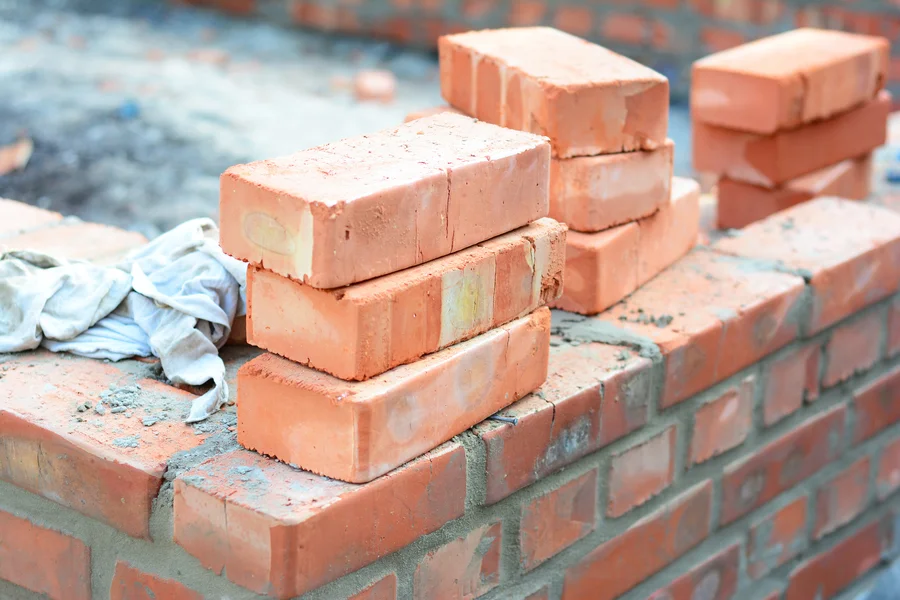
Weather has a big impact on brick walls and chimneys. Rain soaks into bricks, heat dries them out, and freezing air can cause cracks. Over time, this cycle weakens mortar joints and leads to loose or damaged bricks. The good news is that simple maintenance steps can help prevent major problems and reduce the need for costly brick repair later on.
Why Prevention Matters
Brick looks strong and solid. But it is also porous, which means it absorbs water. When water gets inside and temperatures drop, it freezes and expands. This puts pressure on the brick and mortar. Months or years of this cycle can cause cracking, flaking, and crumbling.
Hot sun can also dry out mortar joints. When mortar shrinks or breaks down, gaps form. Those gaps let in even more moisture. Small issues turn into bigger ones fast. Simple checks and routine care can stop this chain reaction.
Early Warning Signs
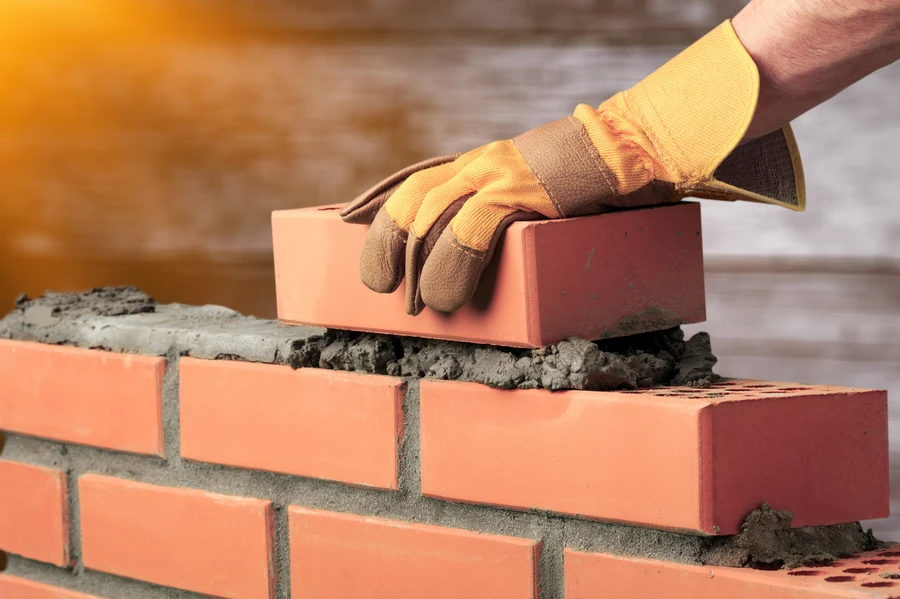
You do not have to be a contractor to spot early brick damage. Walk around your home a few times a year and look closely at the masonry. Catching problems early lowers the chance you will need major brick repair work.
- Cracks in mortar joints
- White powder on brick surfaces
- Loose or shifting bricks
- Chipped or flaking brick faces
- Gaps around windows and doors
That white powder is called efflorescence. It forms when water moves through brick and leaves salt behind. It is often a sign of too much moisture.
Seasonal Maintenance Checklist
Each season brings different stress to your brickwork. A simple routine makes a big difference.
- Clean gutters and downspouts in spring and fall.
- Check that water drains away from your foundation.
- Inspect mortar joints for cracks after winter.
- Trim plants and vines away from brick walls.
- Seal small gaps around windows and doors.
Clogged gutters are a major cause of brick damage. When water spills over, it runs down exterior walls. Over time, this weakens mortar and leads to brick repair needs.
After heavy storms, take a few minutes to look for new cracks or loose bricks. It is easier and cheaper to fix a small area than a full wall.
Best Practices for Long-Term Results
Consistent care keeps masonry strong for decades. Start with good drainage. Soil should slope away from your home. Downspouts should extend far enough to move water away from the base of the structure.
Repointing is another smart step. This means replacing old, damaged mortar with new mortar. Fresh mortar seals joints and restores strength. It also improves the look of your home.
If your area gets harsh winters, consider having your brick sealed with a breathable water repellent. This helps limit water absorption while still letting trapped moisture escape. A proper seal reduces freeze-thaw damage.
Regular inspections from a professional can also help. A trained eye may spot hidden issues before they become visible to you.
What Not to Do
Some common mistakes can make brick damage worse.
- Do not pressure wash at high settings. It can erode mortar.
- Do not paint over damaged brick to hide problems.
- Do not ignore small cracks in mortar joints.
- Do not use the wrong mortar type for repairs.
Using mortar that is too hard can cause bricks to crack. Older homes often need softer mortar that matches the original material. Quick DIY fixes may look fine at first but fail during the next freeze.
When to Schedule Professional Help
Some signs mean it is time to call an expert for brick repair. Large stair-step cracks, bulging walls, or multiple loose bricks can signal structural trouble. Water leaking through interior walls is another red flag.
If damage keeps coming back in the same area, there may be an underlying drainage issue. A professional can find the root cause and fix it the right way. Waiting too long often increases repair costs and safety risks.
Routine inspections every few years are a smart move, especially in areas with heavy rain, snow, or wide temperature swings.
Protect Your Brickwork Year-Round
If you live in Murray, UT, changing weather can take a toll on your home over time. At GN Brick Wall Masonry Repair and Concrete Block Masonry Contractor, I focus on careful inspections and lasting solutions that protect your masonry from further damage. I take the time to find the source of the problem and recommend the right fix. If you have questions or see signs of wear, call me at (385) 360-8760 and I will be glad to help.